
What is Vitamin B2?
Vitamin B2, commonly known as riboflavin, is a water-soluble vitamin essential for overall health. It plays a crucial role in various bodily functions, such as energy production, antioxidant activity, and maintaining healthy skin and eyes. Riboflavin must be obtained through diet or supplements, as our bodies cannot produce it naturally.
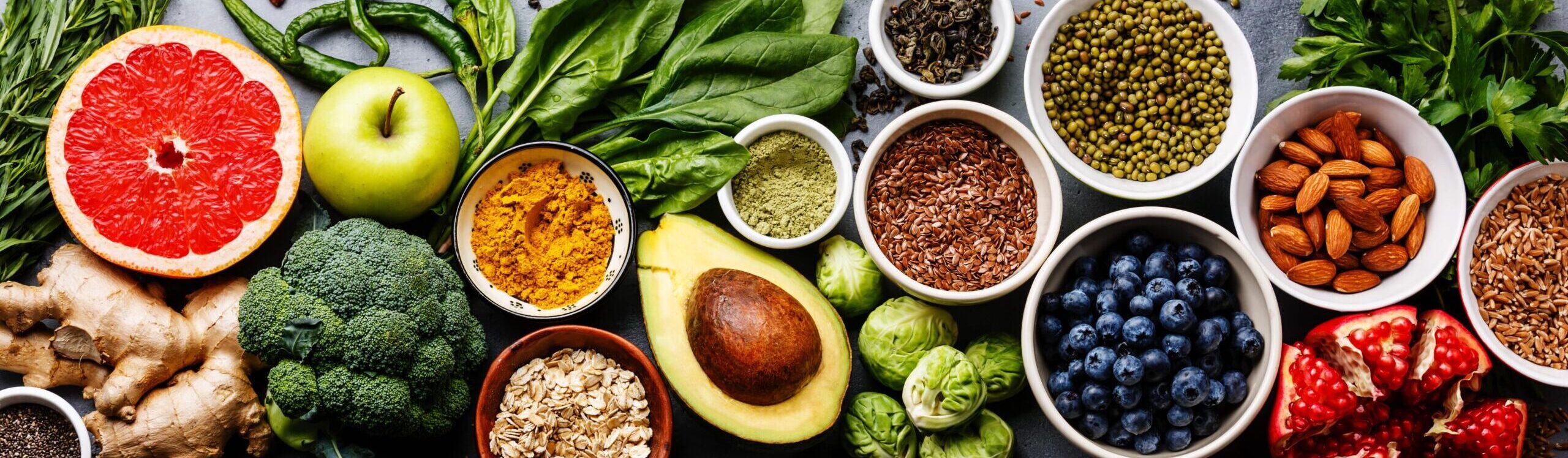
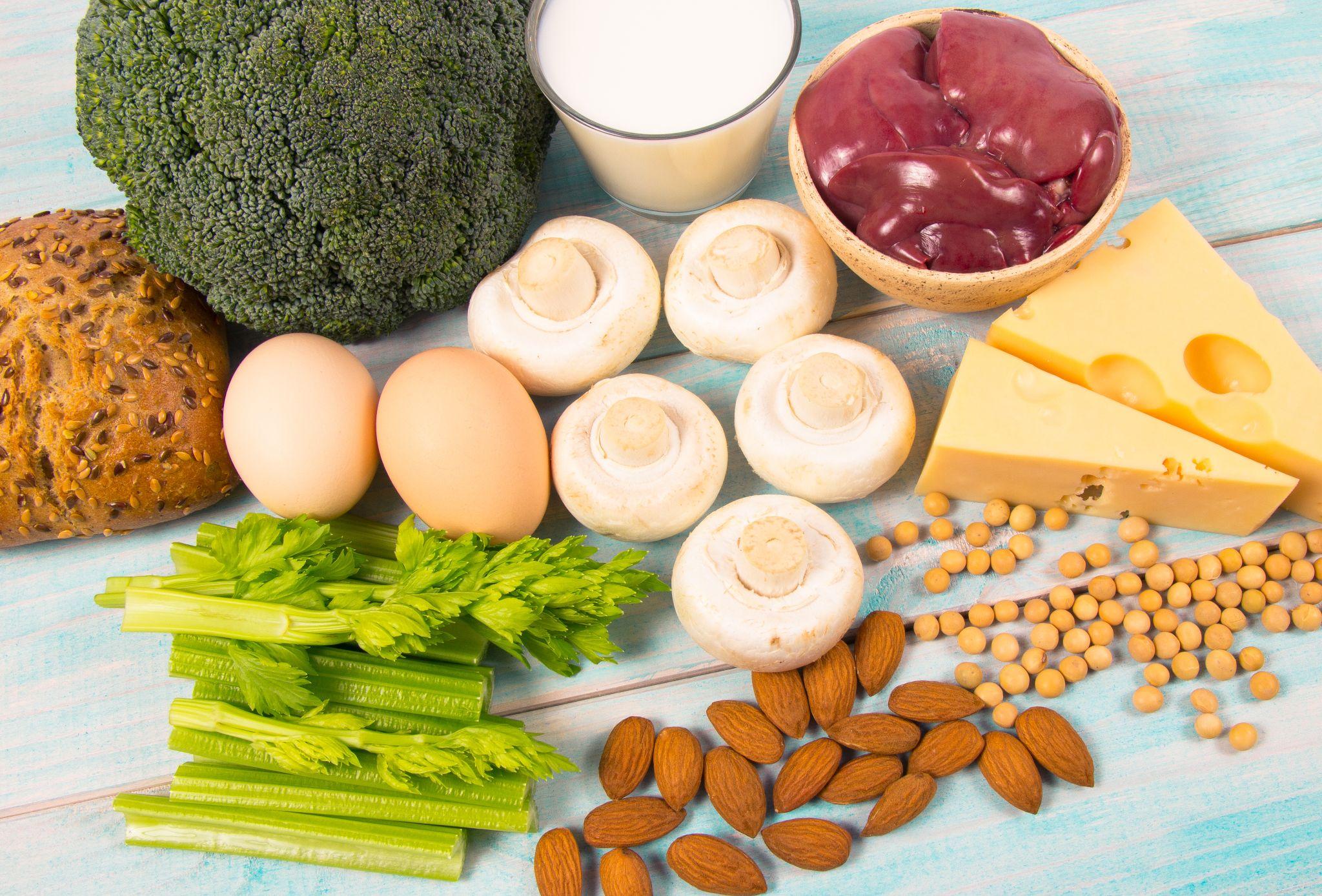
Food Sources of Riboflavin
Riboflavin is found in a wide variety of foods that cater to diverse dietary preferences:
- Productos lácteos: Milk, yogurt, and cheese provide riboflavin and other essential nutrients.
- Cereales integrales: Whole wheat bread, brown rice, and fortified cereals are rich in riboflavin.
- Lean Proteins: Organ meats like liver and kidney, as well as poultry and fish, are excellent sources.
- Green Vegetables: Spinach, kale, and broccoli are packed with riboflavin.
- Frutos de cáscara y semillas: Almonds and sunflower seeds are good sources of riboflavin.
Including these foods in your diet helps ensure you meet your daily riboflavin requirements.
How Does Riboflavin Benefit Us?
Riboflavin supports several critical bodily functions:
- Producción de energía: It helps convert carbohydrates into energy and breaks down proteins and fats, ensuring effective use by the body.
- Protección antioxidante: Riboflavin protects cells from oxidative damage, potentially guarding against chronic diseases.
- Healthy Skin and Eyes: It contributes to the health of skin and eyes, promoting good vision and maintaining healthy skin.
Signs of Riboflavin Deficiency
A deficiency in riboflavin can lead to various symptoms:
- Low Energy and Weakness: A lack of riboflavin affects energy production, causing fatigue and weakness.
- Skin and Mouth Problems: Cracked corners of the mouth, swollen tongue, and dry skin may indicate riboflavin deficiency.
- Eye Discomfort: Redness, light sensitivity, and blurry vision can be signs of insufficient vitamin B2.
Excessive Intake of Riboflavin
Excess riboflavin is generally safe due to its water-soluble nature, with the body excreting any surplus through urine. However, high doses of supplements may result in harmless bright yellow or neon orange urine.
Recommended Daily Riboflavin Intake
The daily recommended intake of riboflavin varies by age and gender. The guidelines from the National Institutes of Health (NIH) are as follows:
- Lactantes (0-6 meses): 0.3 mg/day
- Babies (7-12 months): 0.4 mg/day
- Toddlers (1-3 years): 0.5 mg/day
- Niños (4-8 años): 0.6 mg/day
- Preteens (9-13 years): 0.9 mg/day
- Men (14+ years): 1.3 mg/day
- Women (14+ years): 1.1 mg/day
- Mujeres embarazadas: 1.4 mg/day
- Breastfeeding Women: 1.6 mg/day
Following these guidelines can help ensure adequate riboflavin intake.
Absorption and Interactions of Riboflavin
Riboflavin is absorbed in the small intestine. Factors such as alcohol consumption, high levels of iron or vitamin C, and certain medications can hinder its absorption. Riboflavin works synergistically with other B vitamins, such as niacin and vitamin B6, to support metabolic processes in the body.
Riboflavin Deficiency-Related Conditions
Prolonged riboflavin deficiency can lead to conditions like:
- Ariboflavinosis: Characterized by a sore throat, swollen and cracked lips, and a red, inflamed tongue. It can also lead to seborrheic dermatitis and anemia.
- Migraines: Some studies suggest that riboflavin deficiency may contribute to migraine headaches. Supplementing with riboflavin may help reduce their frequency and severity.
Riboflavin Overdose Effects
Due to its water-soluble nature, excessive intake of riboflavin is typically harmless. The body excretes any excess through urine. However, it’s advisable to adhere to the recommended daily intake and exercise caution with high-dose supplements.
Special Riboflavin Requirements
Certain groups may require more riboflavin, such as athletes involved in intense physical activities or pregnant and breastfeeding women. These individuals may benefit from slightly increased riboflavin intake.
Additional Information
Riboflavin is sensitive to light, so foods rich in this nutrient should be stored in dark containers. Cooking methods like steaming or stir-frying are preferable to boiling, as riboflavin can leach into water. Additionally, certain medications like antidepressants and oral contraceptives may affect riboflavin absorption. People on such medications may need to adjust their riboflavin intake accordingly.
In conclusion, riboflavin plays a significant role in maintaining health. Ensuring your diet includes foods rich in this nutrient can help prevent deficiencies and support overall well-being. Always consult a healthcare professional or dietitian for personalized advice.
Fuente Enlaces