
What is Vitamin B9/B11?
Vitamin B9, commonly known as folate or folic acid (the synthetic form found in supplements and fortified foods), is a water-soluble B-vitamin essential for numerous bodily processes, such as DNA synthesis, cell division, and growth. It’s crucial for maintaining overall health, particularly during periods of rapid growth like pregnancy and infancy.
Food Sources of Vitamin B9/B11
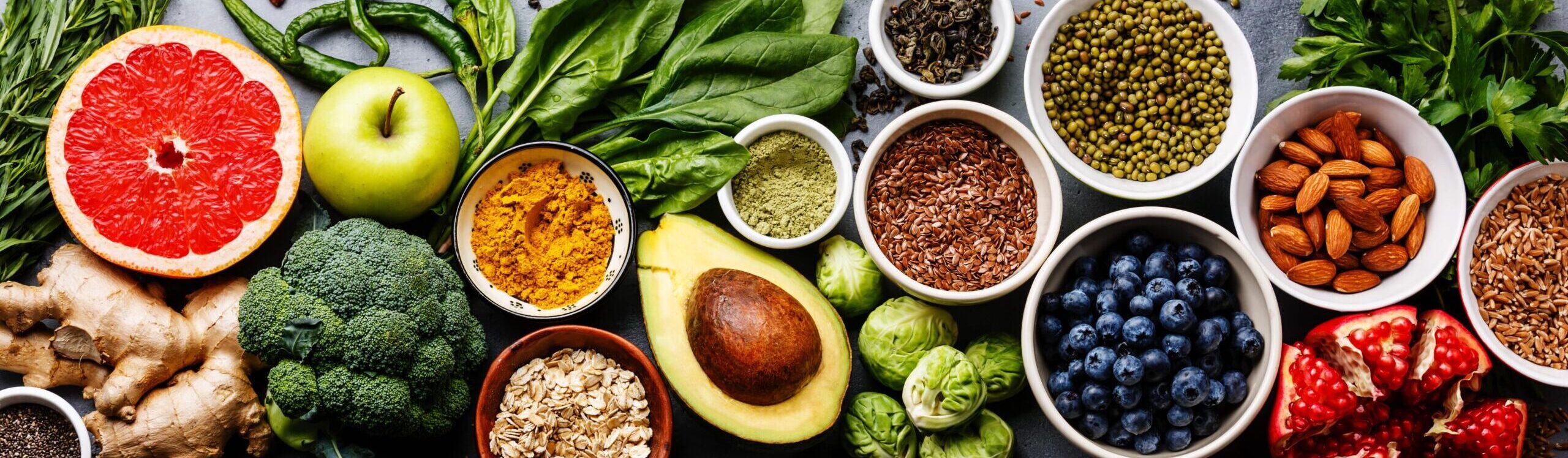
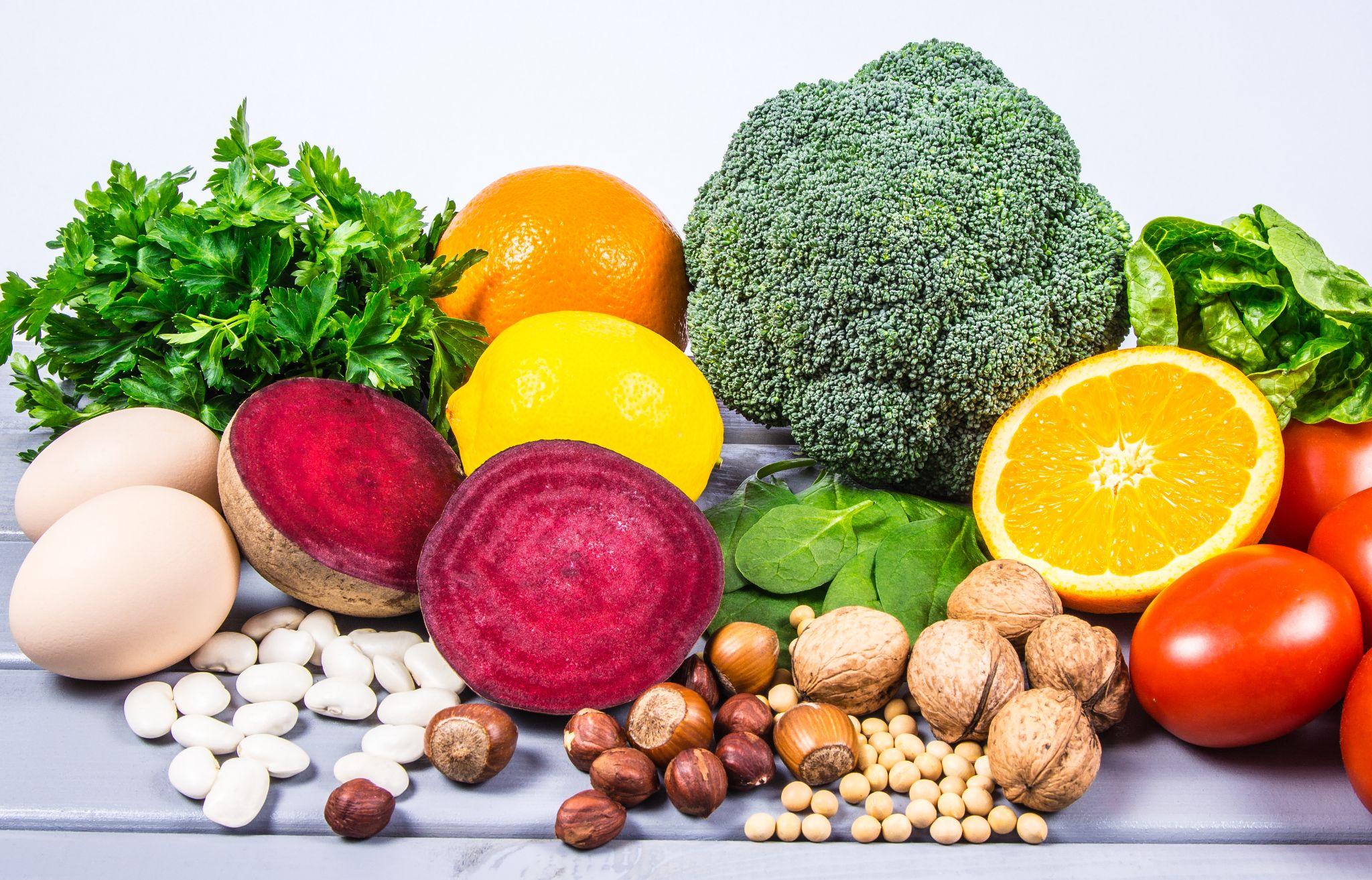
Folate can be found in a variety of foods, both plant-based and animal-based. Excellent sources of vitamin B9/B11 include:
- Leafy Green Vegetables: Spinach, kale, and romaine lettuce.
- Citrus Fruits: Oranges, grapefruits, and lemons.
- Beans and Legumes: Lentils, chickpeas, and black beans.
- Cereales integrales: Brown rice, quinoa, and whole wheat bread.
- Beef Liver: A very high source of natural folate.
- Asparagus: Contains a significant amount of folate.
- Brussels Sprouts: Another vegetable rich in folate.
- Avocado: Provides a good amount of folate.
- Plátanos: A fruit source of folate.
- Huevos: Offer some amount of folate.
Folic acid, the synthetic form of folate, is often added to processed foods such as bread, cereals, and pasta to help people meet their daily requirements.
Functions and Benefits of Vitamin B9/B11
Folate plays several essential roles in the body:
- DNA Synthesis and Repair: Folate is critical for the formation and repair of DNA, our genetic material.
- Red Blood Cell Formation: It is necessary for the production of healthy red blood cells, which helps prevent anemia.
- Nervous System Function: Folate supports the proper development and functioning of the nervous system.
- Desarrollo fetal: Adequate folate intake during pregnancy is vital to prevent neural tube defects, such as spina bifida, in newborns.
Folate also contributes to mental health (potentially aiding in managing depression), heart health (may reduce the risk of heart disease by regulating homocysteine levels), and cancer prevention (by preventing DNA mutations that could lead to cancer).
Deficiency Symptoms of Vitamin B9/B11
Folate deficiency can lead to various health issues. Common symptoms include:
- Fatiga: Due to decreased red blood cell production.
- Mouth Sores: Sores or ulcers inside the mouth.
- Tongue Swelling: Inflammation or swelling of the tongue.
- Growth Problems: Delayed growth in children.
- Anemia: Megaloblastic anemia characterized by large, immature red blood cells.
- Gray Hair: Premature graying of hair.
- Paleness: Due to anemia and reduced red blood cells.
For pregnant women, folate deficiency significantly increases the risk of giving birth to babies with neural tube defects.
Excess Symptoms of Vitamin B9/B11
While folate from food sources is unlikely to cause harm, excessive intake of folic acid supplements can potentially lead to issues, as the body does not break it down efficiently:
- Changes in Sex Drive
- Difficulty Concentrating
- Nausea and Stomach Problems
- Sleep Problems
- Skin Reactions: Itching and rash.
Recommended Daily Intake of Vitamin B9/B11
The recommended daily intake of folate varies depending on age, sex, and pregnancy status:
- Lactantes (0-6 meses): 65 micrograms (mcg) of folate
- Lactantes (7-12 meses): 80 mcg
- Niños (1-3 años): 150 mcg
- Niños (4-8 años): 200 mcg
- Niños (9-13 años): 300 mcg
- Adults (14 years and older): 400 mcg
- Mujeres embarazadas: 600 mcg
- Breastfeeding Women: 500 mcg
Absorption and Interactions of Vitamin B9/B11
Folate from food is absorbed in the small intestine. Certain medications (like antacids, anti-seizure drugs, and methotrexate) can interfere with folate absorption. Additionally, alcohol consumption can negatively affect folate absorption and metabolism.
Deficiency Diseases or Conditions Related to Vitamin B9/B11
Folate deficiency can lead to several health conditions, such as:
- Megaloblastic Anemia: A type of anemia characterized by large, abnormal red blood cells.
- Birth Defects: Neural tube defects in babies born to mothers deficient in folate.
- Potential Increased Risk of Certain Cancers and Heart Disease: Due to elevated homocysteine levels.
Toxicity or Overdose Effects of Vitamin B9/B11
Excessive intake of folic acid from fortified foods and supplements might mask the symptoms of a vitamin B12 deficiency, which can lead to neurological damage. However, folate from natural food sources does not pose this risk.
Special Considerations for Vitamin B9/B11
Some groups may need more folate:
- Mujeres embarazadas: To prevent neural tube defects in babies.
- Individuals with Alcohol Dependence: As alcohol interferes with folate absorption.
- People with Malabsorption Conditions: Such as celiac disease or inflammatory bowel disease.
Additional Facts About Vitamin B9/B11
- Folate’s Name: Comes from the Latin word “folium,” meaning leaf, indicating its abundance in leafy green vegetables.
- Synthetic Form: Folic acid is more stable than folate and is often used in supplements and to fortify foods.
- Role in Homocysteine Conversion: Folate helps convert homocysteine, a potentially harmful compound, into methionine, an essential amino acid.
- Synergy with Other Nutrients: Works closely with vitamin B12 and vitamin C to help the body utilize proteins and perform other functions.
Fuentes