
Introduction to Minerals
Minerals are inorganic substances that are essential for various biological processes in the body. They are divided into two groups based on their daily requirement: macro-minerals (needed in larger amounts) and trace minerals (required in smaller amounts). Despite the difference in quantity needed, each mineral plays a critical role in maintaining optimal health and wellness.
Food Sources of Minerals
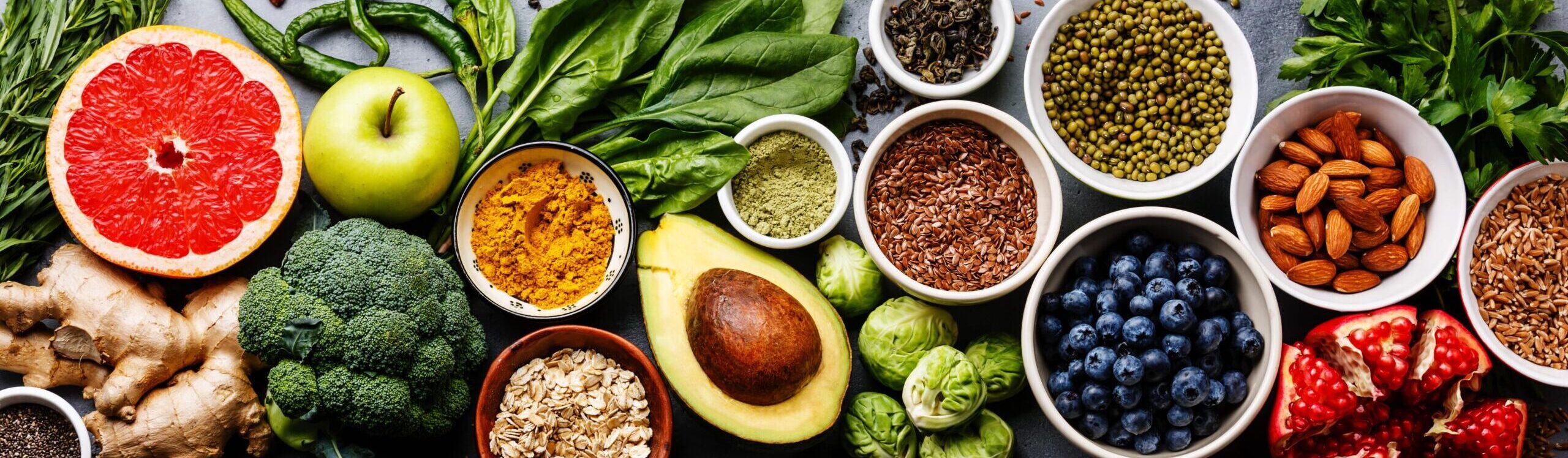
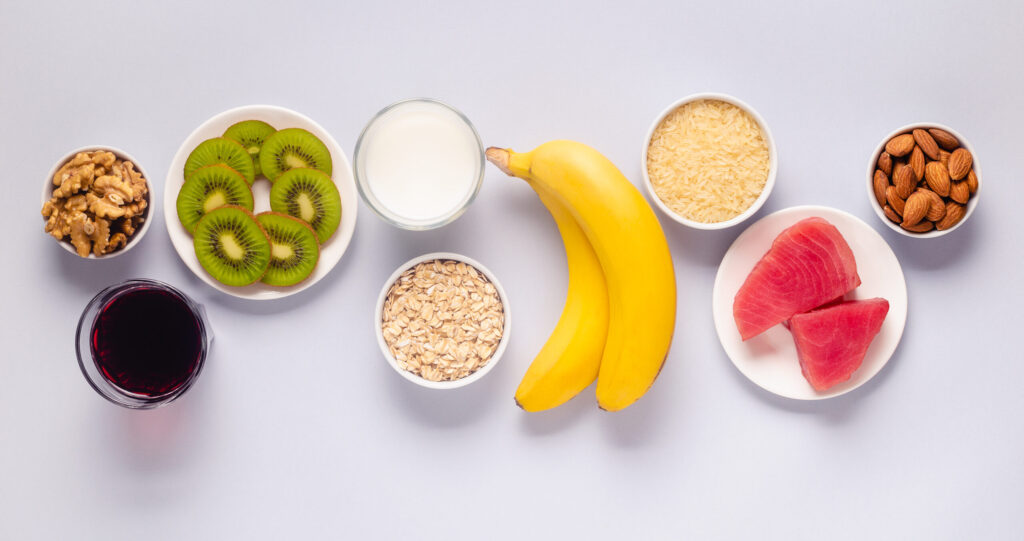
Different minerals are found in a variety of food sources, including:
- Dairy products, such as milk, cheese, and yogurt
- Meat and poultry
- Fish and shellfish
- Frutos de cáscara y semillas
- Legumes, such as beans, lentils, and peas
- Whole grains
- Fruits and vegetables, especially leafy greens
- Fortified foods and salt
Functions and Benefits of Minerals
Each mineral has a specific set of functions and offers certain health benefits. Here are a few examples:
- Calcium: Essential for bone health, muscle function, and nerve transmission.
- Iron: Vital for the creation of red blood cells and transporting oxygen throughout the body.
- Zinc: Necessary for immune function, protein synthesis, and wound healing.
- Potassium: Maintains fluid balance and supports muscle contractions and nerve signals.
- Magnesium: Plays a role in over 300 enzymatic reactions in the body, including energy production, DNA synthesis, and regulating muscle and nerve function.
Potential Deficiency Symptoms of Minerals
Deficiencies can occur if the intake or absorption of a mineral is inadequate. Symptoms can vary depending on the specific mineral. For example:
- Iron deficiency can lead to anemia, fatigue, and weakness.
- Calcium deficiency can result in osteoporosis and bone fractures.
- Zinc deficiency can cause loss of appetite, impaired immune function, and slow wound healing.
Potential Excess Symptoms of Minerals
Excessive intake of minerals, often from supplements, can also lead to health issues. For example:
- Excessive iron can lead to constipation, nausea, and more serious health issues such as liver disease.
- Too much calcium may result in kidney stones.
- High levels of zinc can interfere with copper absorption and can lead to nausea and diarrhea.
Recommended Intake of Minerals
The recommended dietary allowances (RDAs) for minerals vary depending on age, sex, and life stage. It’s best to consult a healthcare provider or a reliable health source for the most accurate information based on individual needs.
Absorption and Interactions of Minerals
The absorption of minerals can be influenced by various factors. For example, the absorption of iron is enhanced by vitamin C, while phytates and tannins in certain foods can inhibit it. Similarly, high doses of zinc can interfere with copper absorption.
Potential Diseases or Conditions Related to Mineral Intake
Inadequate or excessive mineral intake can contribute to various health issues. For instance, inadequate calcium and vitamin D contribute to osteoporosis, while excessive sodium can contribute to high blood pressure and heart disease.
Special Considerations for Minerals
Certain populations may need to pay particular attention to their mineral intake. For example, pregnant women often need more iron and calcium. Likewise, individuals with certain medical conditions, such as kidney disease, may need to manage their intake of certain minerals.
Additional Facts about Minerals
- Minerals are not destroyed by heat or light, unlike some vitamins. However, cooking can leach minerals out of food into the cooking water.
- The bioavailability of minerals can vary. Some forms of minerals in plant-based foods may not be as easily absorbed as those in animal-based foods due to components like phytates and oxalates.
- A well-rounded diet that includes a variety of foods is typically sufficient to provide all the minerals the body needs. Supplements should be considered under specific circumstances based on the advice of a healthcare provider.
Fuente Enlaces
- National Institutes of Health (NIH) – Office of Dietary Supplements: Minerals
- Organización Mundial de la Salud (OMS) Necesidades de vitaminas y minerales en la nutrición humana
- Harvard T.H. Chan School of Public Health – The Nutrition Source: Minerals
- Centers for Disease Control and Prevention (CDC) – Nutrition: Micronutrients