
Introduction to Manganese
Manganese is an essential trace mineral that is crucial for numerous biochemical and physiological processes in the body. It is a part of various enzymes and aids in metabolic activities, bone development, and the prevention of oxidative damage. The human body cannot synthesize manganese, so it must be obtained through diet or dietary supplements.
Food Sources of Manganese
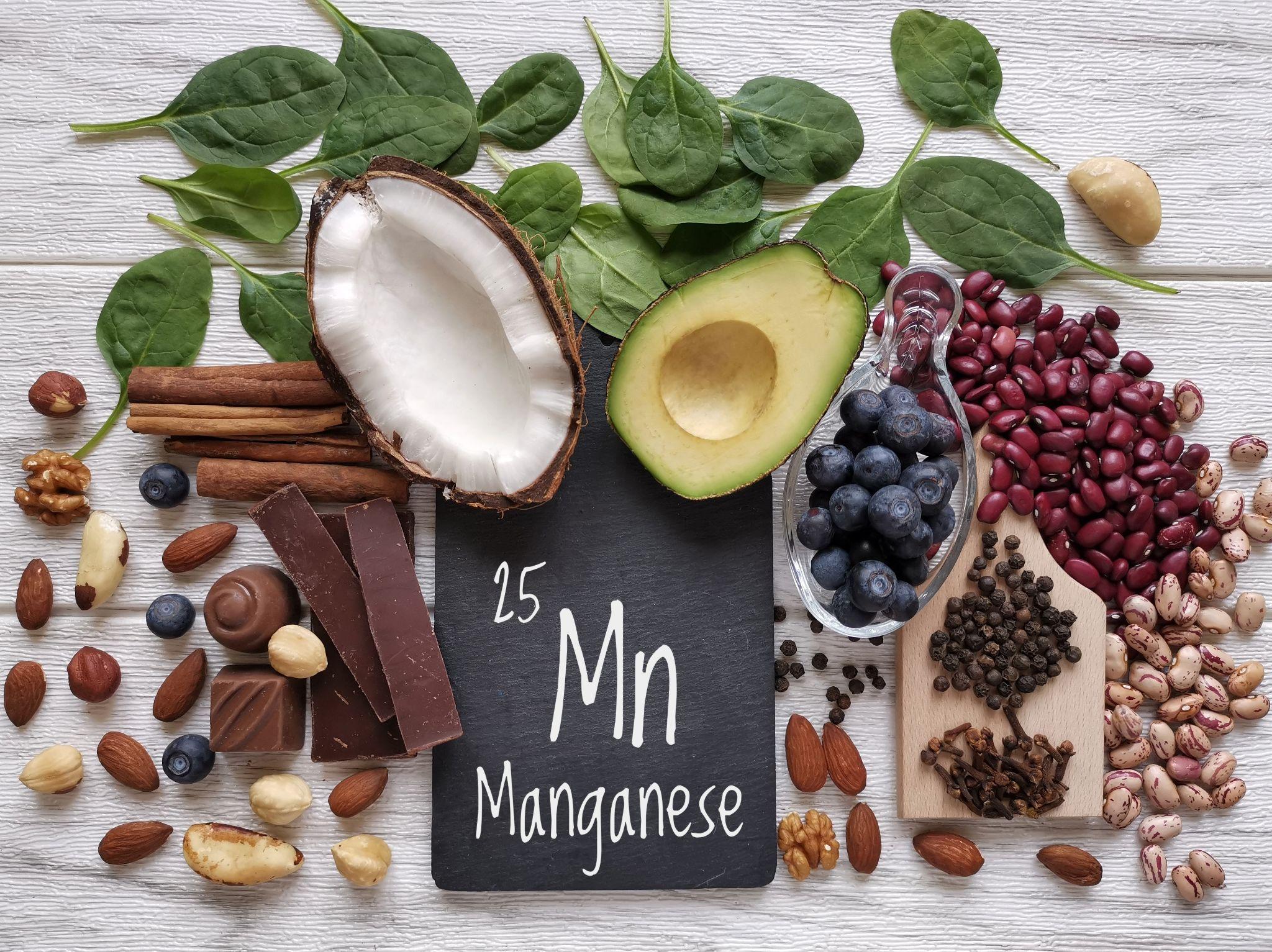
Manganese is found in a wide variety of foods. Some of the best sources of manganese include:
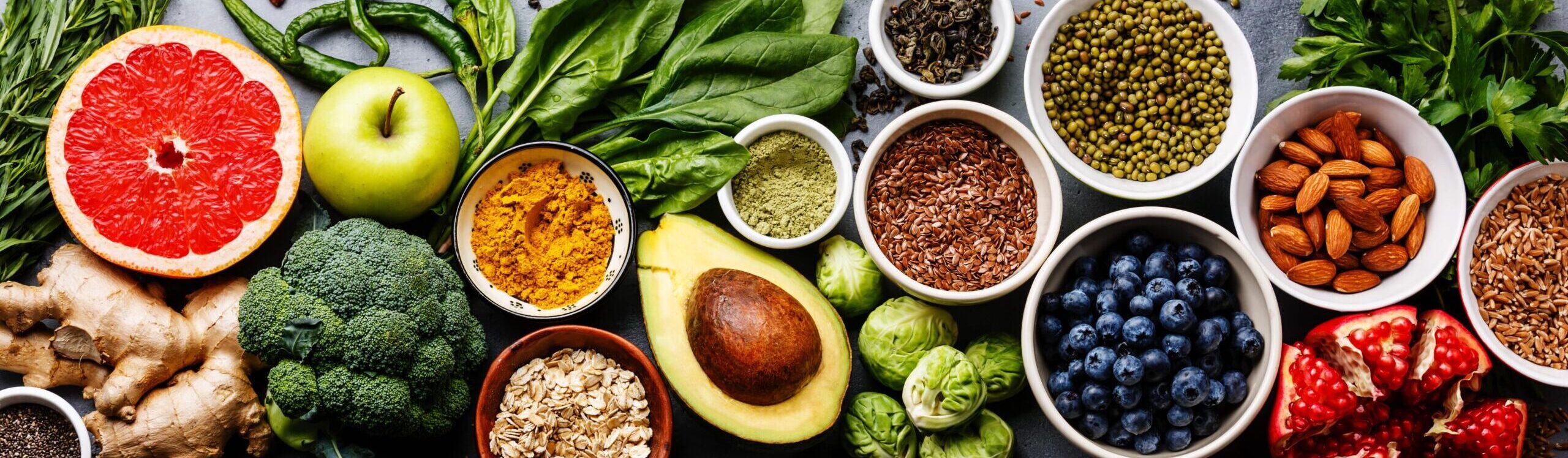
- Whole grains and cereals
- Legumes (such as beans, peas, and lentils)
- Nuts and seeds (such as almonds and flaxseeds)
- Green leafy vegetables (like spinach)
- Fruits (such as pineapples and blueberries)
- Chocolate
- Tea
Functions and Benefits of Manganese
Manganese is crucial for a wide array of biological functions. Here are some of the primary roles and benefits of manganese:
- Bone Health: Manganese is essential for bone development and maintenance, working synergistically with calcium and vitamin D.
- Metabolism of Nutrients: It plays a role in the metabolism of carbohydrates, proteins, and cholesterol.
- Antioxidant Properties: Manganese is a crucial component of the body’s antioxidant enzymes, helping to combat oxidative stress and reduce inflammation.
- Wound Healing: Manganese aids in collagen production, a critical element in wound healing.
Deficiency Symptoms of Manganese
Manganese deficiency is relatively rare but can lead to health issues. Some symptoms associated with low levels of manganese include:
- Poor bone growth or skeletal defects
- Slow or impaired growth
- Impaired glucose tolerance
- Altered carbohydrate and lipid metabolism
Excess Symptoms of Manganese
While it’s rare from dietary sources, excessive intake of manganese, often through occupational exposure or contaminated water, can lead to toxicity. High levels of manganese can cause:
- Neurological symptoms similar to Parkinson’s disease
- Mood changes or psychiatric symptoms
- Liver damage
Recommended Daily Intake of Manganese
The recommended daily intake of manganese varies depending on age, gender, and life stage. Here are the recommended daily intake levels for different groups:
- Infants (0-6 months): 3 micrograms (mcg)
- Infants (7-12 months): 600 mcg
- Children (1-3 years): 1.2 milligrams (mg)
- Children (4-8 years): 1.5 mg
- Males (9-13 years): 1.9 mg
- Females (9-13 years): 1.6 mg
- Males (14-18 years): 2.2 mg
- Females (14-18 years): 1.6 mg
- Adults (19 years and older): 2.3 mg for men, 1.8 mg for women
- Pregnant women: 2 mg
- Breastfeeding women: 2.6 mg
Absorption and Interactions of Manganese
Manganese absorption occurs in the small intestine and is influenced by other dietary components. Iron, calcium, and phytates can interfere with manganese absorption. Once absorbed, manganese is transported to the liver and other tissues but is not stored in large amounts, so regular intake is necessary.
Deficiency Diseases or Conditions Related to Manganese
Severe manganese deficiency is rare. However, when it does occur, it can result in altered carbohydrate and lipid metabolism, skeletal abnormalities, and impaired growth.
Toxicity or Overdose Effects of Manganese
Chronic exposure to excessive manganese, typically from environmental sources, can result in a neurological condition known as manganism. Symptoms resemble those of Parkinson’s disease, including tremors and slow movement.
Special Considerations for Manganese
People with liver disease may have difficulties excreting manganese, potentially leading to accumulation and toxicity. Also, those with iron deficiency may absorb more manganese.
Additional Facts about Manganese
- Manganese is vital in the formation of the antioxidant enzyme superoxide dismutase (SOD), which helps combat harmful free radicals.
- It is involved in the synthesis of glycosaminoglycans, important compounds for the formation of connective tissues and lubrication of joints.
- Although essential, manganese is required only in small amounts, and the body efficiently removes excess levels to maintain a balance.
- While it’s important to get enough manganese, excessive intake can lead to neurological problems, highlighting the need for a balanced approach to this trace mineral.
Fuente Enlaces
- National Institutes of Health (NIH) – Office of Dietary Supplements: Manganese
- World Health Organization (WHO) – Manganese in Drinking-water
- Mayo Clinic – Manganese supplements
- Harvard T.H. Chan School of Public Health – The Nutrition Source: Manganese