
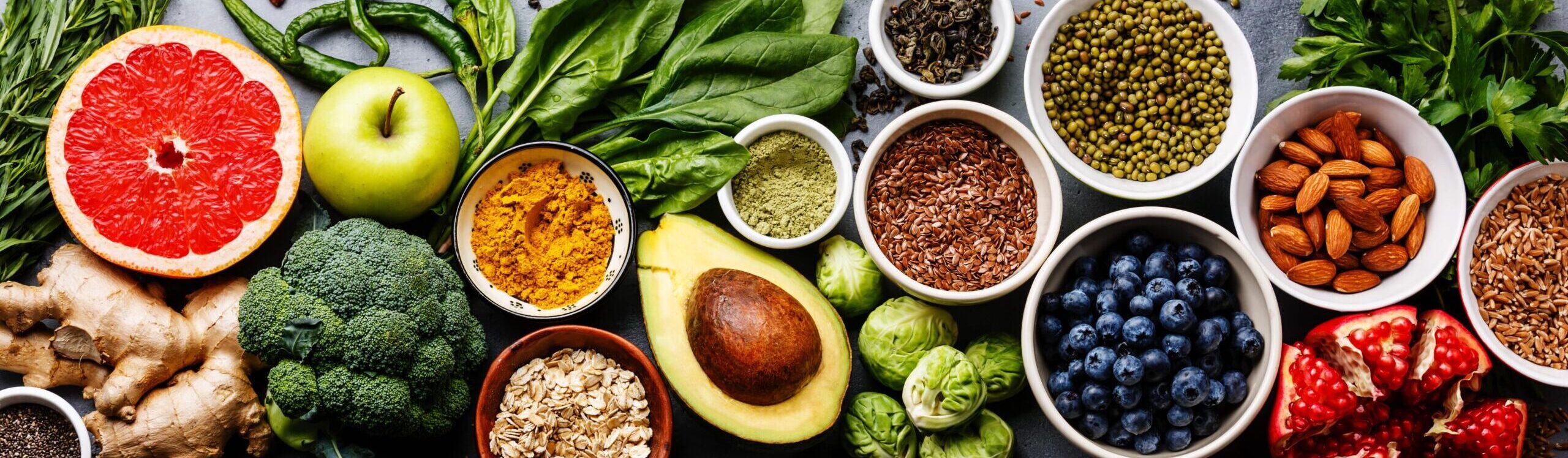
Al navegar por el complejo mundo de aminoácidos, Es esencial entender los roles fenilalanina y tirosina Juega en tu bienestar general. Estos aminoácidos están en el corazón de numerosos procesos fisiológicos, incluidos Regulación del estado de ánimo y función cognitiva. Al asegurarte de que consumes una cantidad adecuada de estos compuestos a través de tu dieta, no solo estás nutriendo a tu cuerpo, sino que también estás apoyando las complejas vías que gestionan tus emociones y mejoran tu capacidad mental.
Si bien su cuerpo convierte eficientemente la fenilalanina en tirosina, esta última es un aminoácido no esencial, pero desempeña un papel indispensable en la síntesis de neurotransmisores como la dopamina. Estos neurotransmisores Son cruciales para mantener un estado de ánimo equilibrado, una función cerebral adecuada y una respuesta robusta al estrés. Además, la conversión de la fenilalanina en tirosina contribuye a la producción de melanina, que aporta color a nuestro cabello y piel.
Ya sea que quieras mejorar tu agudeza mental o mantener un estado emocional estable, profundizar en los beneficios de estos aminoácidos puede abrir nuevas vías hacia una mejor salud. Así que vamos a profundizar en cómo la fenilalanina y la tirosina pueden mejorar la calidad de vida.
Principales conclusiones
- La fenilalanina es esencial para producir tirosina, que es fundamental para Síntesis de neurotransmisores.
- Conocer la conversión de la fenilalanina en tirosina es fundamental para comprender su impacto en Regulación del estado de ánimo y función cognitiva.
- La tirosina no solo favorece la salud del cerebro, sino que también contribuye a la pigmentación de nuestro cabello y nuestra piel.
- Los niveles adecuados de estos aminoácidos mantienen la respuesta del cuerpo al estrés y promueven la alerta mental.
- Una dieta equilibrada rica en fenilalanina y tirosina puede ayudar a mantener la estabilidad emocional y a mejorar la claridad mental.
El papel de los aminoácidos en tu salud
Los aminoácidos, a menudo descritos como los componentes básicos de las proteínas, son fundamentales para innumerables procesos biológicos en el cuerpo humano. No solo contribuyen a los componentes estructurales de las células, sino que también desempeñan un papel crucial en la síntesis de hormonas y neurotransmisores, Esto afecta todo, desde el crecimiento muscular hasta la salud mental. Para apreciar su impacto completo, es crucial distinguir entre dos clases de aminoácidos: esenciales y no esenciales.
Ácidos aminados esenciales y no esenciales
Aminoácidos esenciales Son aquellas que su cuerpo no puede producir por sí mismo; por lo tanto, deben obtenerse a través de los alimentos que consume. La fenilalanina destaca como un ejemplo perfecto de estos componentes esenciales de la dieta. Por el contrario, los aminoácidos no esenciales como la tirosina suelen estar presentes en abundancia en el cuerpo debido a procesos de síntesis innatos.
Cómo funcionan la fenilalanina y la tirosina en el cuerpo
Centrarse en fenilalanina y tirosina desvela una fascinante narrativa biológica en la que uno es el precursor del otro: la fenilalanina se convierte en tirosina, que desempeña un papel fundamental en la formación de Síntesis de neurotransmisores, incluido síntesis de la dopamina. Esta conversión no se basa solo en síntesis de proteínas también el complejo funcionamiento de los neurotransmisores que lo apoyan Regulación del estado de ánimo, alerta y funcionalidad cognitiva.
Considere la importancia de la dopamina, por ejemplo: un neurotransmisor que desempeña un papel vital en el sistema de recompensas del cerebro y en el mecanismo de respuesta emocional. Sin la suficiente tirosina, que se produce a partir de la fenilalanina, el organismo puede tener dificultades para producir suficiente dopamina, lo que podría llevar a trastornos del estado de ánimo e incapacidades cognitivas.
| Tipo de aminoácido | Ejemplos | Beneficios | Importancia |
|---|---|---|---|
| Esencial | Fenilalanina | Precursor de los aminoácidos no esenciales; favorece el crecimiento y la reparación | Ingesta dietética obligatoria para la producción de proteínas y neurotransmisores |
| No esencial | Tirocina | Fundamental en la producción de hormonas; ayuda a la pigmentación del cabello y la piel | Suportes Síntesis de neurotransmisores; integral para el estado de ánimo y la salud cognitiva |
Al incorporar proteínas saludables en tu dieta, recuerda que estos compuestos fundamentales no solo proporcionan energía para tus entrenamientos. También contribuyen al delicado equilibrio de neurotransmisores como la epinefrina, la norepinefrina y la dopamina, gracias a los papeles esenciales que desempeñan aminoácidos como la fenilalanina y su derivado, la tirosina. Conocer estos procesos te permite cuidar tu bienestar desde el nivel molecular en adelante.
Presentación de la fenilalanina y la tirosina
En el corazón de síntesis de proteínas y diversas funciones fisiológicas vitales dentro de su cuerpo están relacionadas con los aminoácidos fenilalanina y tirosina. Al explorar la multitud de Los papeles de los aminoácidos, Así se hace evidente cómo estos dos elementos son fundamentales para la salud y el bienestar, no solo como componentes de las proteínas, sino también como precursores de los neurotransmisores que influyen en nuestro estado de ánimo y en nuestras capacidades cognitivas.
Conocer su proceso de conversión arroja luz sobre el contexto más amplio. Los beneficios de la fenilalanina y la tirosina que promueven todo, desde Mejora del estado de ánimo a Pigmentación de la piel. ¡Vamos a emprender un viaje a través de la compleja interacción de estos compuestos esenciales y su profundo efecto en el cuerpo humano!.
Los componentes básicos de la síntesis proteica
La fenilalanina, un aminoácido esencial que se encuentra en alimentos ricos en proteínas, es un nutriente crucial que necesitas obtener a través de tu dieta. Una vez absorbida en tu organismo, experimenta una transformación notable, ya que tu cuerpo la convierte en tirosina. Este aminoácido no esencial participa en innumerables procesos celulares, en particular en la síntesis de casi todas las proteínas del cuerpo. Ya sea que alimente tus músculos o apoye la función de los órganos vitales, la tirosina está omnipresente, contribuyendo silenciosamente a tu resistencia física y vitalidad.
Conocer el proceso de conversión
La conversión de la fenilalanina en tirosina es una maravilla bioquímica que subraya el equilibrio intrincado que se mantiene en nuestros cuerpos. Este proceso prepara el camino para que la tirosina asuma su función en la producción de neurotransmisores, es decir, mensajeros químicos como la dopamina, que son fundamentales para nuestra función neurológica y nuestros estados emocionales.

Como resultado, la abundante presencia de estos aminoácidos está directamente relacionada con Efectos de los neurotransmisores, Esto refuerza la memoria, la alerta y hasta la respuesta del cuerpo al estrés. Ignorar estos componentes alimenticios podría perturbar este delicado equilibrio, lo que subraya por qué estos aminoácidos son tan valiosos para la regulación del estado de ánimo y la agudeza mental.
Manténgase atento a este aspecto vital de la nutrición y fortalezca su alimentación con fuentes de calidad de estos aminoácidos: su cuerpo y su mente lo agradecerán. Recuerde que el camino hacia una salud óptima está lleno de fenilalanina y tirosina, guiándole en su viaje hacia la vitalidad, una porción de cada vez.
La importancia de los neurotransmisores
Dentro de los intricados mecanismos de tu cerebro se encuentra un complejo sistema de mensajeros químicos conocidos como neurotransmisores. Estos compuestos vitales son esenciales para coordinar una gran variedad de funciones fisiológicas vinculadas a función cognitiva y Regulación del estado de ánimo. La síntesis y el equilibrio eficientes de los neurotransmisores están profundamente influidos por los aminoácidos específicos de tu dieta, en particular la fenilalanina y la tirosina.
Imaginemos los neurotransmisores como la conexión que permite que las células nerviosas se comuniquen sin problemas a través del sistema nervioso. No solo son fundamentales para mantener una alerta mental aguda y almacenar la memoria, sino que también desempeñan un papel crucial en la estabilización del bienestar emocional. Los efectos de los aminoácidos sobre estos neurotransmisores son profundos, ya que sirven como precursores que generan estas señales químicas.
Esta interrelación entre aminoácidos y Síntesis de neurotransmisores No se puede subestimar su importancia. Niveles adecuados tanto de fenilalanina como de tirosina son indispensables para garantizar la producción de dopamina, norepinefrina y epinefrina, los neurotransmisores que pueden Aumenta tu estado de ánimo y habilidades cognitivas.
La correlación es evidente: sin una ingesta suficiente de fenilalanina en la dieta, la producción de tirosina puede verse afectada, lo que podría llevar a un desequilibrio en estos neurotransmisores. Este desequilibrio puede manifestarse de diversas formas, posiblemente como trastornos del estado de ánimo o dificultades en los procesos cognitivos. Por el contrario, una ingesta abundante de estos aminoácidos puede favorecer la producción eficaz de neurotransmisores.
Asuma el control de su salud cognitiva y su equilibrio emocional al comprender la importancia de Los efectos de los aminoácidos sobre las funciones de los neurotransmisores. Reconozcamos que cada mordisco que contiene estos aminoácidos es un paso hacia la mejora de nuestras facultades mentales y nuestra resiliencia emocional.
La regulación del estado de ánimo y la función cognitiva
Explorar la relación sinérgica entre los aminoácidos y la salud del cerebro revela conocimientos clave sobre la regulación del estado de ánimo y función cognitiva. El papel fundamental que desempeñan estos nutrientes se considera cada vez más una piedra angular para el bienestar psicológico y el rendimiento mental.
La conexión entre los aminoácidos y la depresión
La fenilalanina y la tirosina han sido destacadas por su posible papel como agentes en Tratamiento de la depresión. Sirven como precursores de la dopamina, que es un indicador de positividad y bienestar. La deficiencia de estos aminoácidos se correlaciona con un descenso en los niveles de dopamina, lo que potencialmente puede llevar a la depresión. Por lo tanto, enfatizar la ingesta de alimentos ricos en estos aminoácidos podría ser fundamental para controlar y mitigar los síntomas depresivos.
Mejorando la alerta mediante la suplementación con aminoácidos
Tirocina es un faro para mejorar Mejora de la alerta, En particular, en situaciones que agotan el cuerpo, como situaciones de estrés o después de una privación del sueño. La suplementación con esta aminoácido no esencial se ha asociado con un mejor rendimiento cognitivo y una salud mental rejuvenecida, contribuyendo a una mayor capacidad para manejar las demandas cognitivas.
| Aminoácidos | Beneficio | Rol en el rendimiento mental |
|---|---|---|
| Fenilalanina | Tratamiento de la depresión | Precursor de la tirosina y neurotransmisores que afectan la regulación del estado de ánimo |
| Tirocina | Aumento de la alerta | Apoya el equilibrio de los neurotransmisores durante el estrés cognitivo |
Ya sea mediante elecciones dietéticas estratégicas o la suplementación bajo la guía de profesionales de la salud, garantizar que obtengas niveles adecuados de estos aminoácidos podría tener un impacto favorable en la gestión de tu estado de ánimo y tu claridad mental.
Fenilalanina y tirosina y sus efectos en el estrés
Cuando el cuerpo se enfrenta a estrés, se desencadena una interacción compleja entre la dieta y la fisiología, en particular involucrando los aminoácidos fenilalanina y tirosina. Estas sustancias esenciales están directamente vinculadas con la síntesis de neurotransmisores del estrés como por ejemplo epinefrina y norepinefrina. Estos neurotransmisores son fundamentales para la respuesta de “lucha o huida” del cuerpo, ayudando a adaptarse eficazmente a los factores estresantes y a mantener el rendimiento cognitivo bajo presión.
La investigación sugiere que durante períodos de estrés intenso, el cuerpo necesita más de estos neurotransmisores. Si no consumes cantidades suficientes de fenilalanina, que el cuerpo convierte en tirosina, tu respuesta de los aminoácidos El estrés puede ser inferior al óptimo. Esto puede provocar una disminución de la agudeza mental y la memoria, ya que el cuerpo lucha para producir niveles adecuados de epinefrina y norepinefrina.
Comprender la respuesta de los aminoácidos El énfasis es crucial, ya que subraya la importancia de una alimentación equilibrada para la resiliencia mental. Si bien los estudios en animales y algunas investigaciones en humanos afirman la necesidad de suplementar la tirosina para ayudar a gestionar el estrés, se requiere una investigación adicional para confirmar su eficacia.
A la luz de estos hallazgos, queda claro que mantener una dieta rica en estos aminoácidos es beneficioso. No solo respalda la capacidad natural del cuerpo para mitigar el estrés a través de la producción de neurotransmisores, sino que también promueve una función cognitiva sostenida durante tiempos de estrés. Exploraremos cómo la tirosina desempeña un papel fundamental en la respuesta del cuerpo a situaciones estresantes.
| Aminoácidos | Rol en la respuesta al estrés | Impacto en la producción de neurotransmisores | Impacto en la función cognitiva |
|---|---|---|---|
| Fenilalanina | Precursor de la tirosina | Imprescindible para Epinefrina y noradrenalina Síntesis | Ayuda a retener la memoria y a mantener la alerta |
| Tirocina | Contribuyente directo a la síntesis de neurotransmisores | Aumenta la producción de Neurotransmisores del estrés | Potencialmente mejora el rendimiento bajo estrés |
En conclusión, las opciones alimentarias que usted adopte tienen un impacto significativo en la forma en que su cuerpo gestiona el estrés. Al garantizar que recibe suficiente fenilalanina y tirosina a través de la alimentación, usted respalda la química cerebral necesaria para afrontar el estrés de manera eficaz. Esto va más allá de la respuesta inmediata al estrés, fomentando la resiliencia que beneficia su bienestar mental general.
Suplementación de fenilalanina y tirosina para pacientes con PKU
Para las personas que viven con Fenilcetonuria (PKU), la situación es muy delicada cuando se trata de controlar la ingesta de alimentos. Esta condición genética conlleva un riesgo de graves consecuencias neurológicas, pero con un control cuidadoso gestión dietética, Conocer los peligros que pueden presentarse es particularmente crucial en este contexto. Comprender el papel de los aminoácidos es fundamental.
Explicación de la fenilcetonuria (PKU)
Fenilcetonuria, más conocido como PKU, La fenilacetonuria es un trastorno hereditario que inhibe la capacidad del organismo para procesar el aminoácido fenilalanina. Sin restricciones dietéticas adecuadas y un tratamiento adecuado, la fenilalanina puede acumularse en niveles peligrosos, lo que podría provocar daños cerebrales graves y discapacidades intelectuales. Esto subraya la importancia de gestión dietética en la prevención de estos resultados adversos.
Modificaciones dietéticas para el tratamiento de la PKU
PKU A los pacientes a menudo se les aconseja mantener una dieta estrictamente baja en fenilalanina. Sin embargo, el papel de la fenilalanina como precursor de la tirosina significa que las personas con PKU pueden presentar una deficiencia de tirosina. Para contrarrestar esto, Suplementos de tirosina Podría ser administrado bajo una estrecha supervisión médica para satisfacer las necesidades nutricionales de quienes no pueden satisfacerlas mediante la conversión de la fenilalanina.
Por lo tanto, los ajustes dietéticos, junto con la suplementación adecuada, se convierten en la piedra angular para prevenir los efectos perjudiciales asociados a la PKU:
| Aminoácidos | Rol | Necesidad de suplementación | Consideraciones para los pacientes con PKU |
|---|---|---|---|
| Fenilalanina | Ácido amino esencial; precursor de la tirosina | Minimizar para evitar la acumulación | Administre meticulosamente la ingesta de alimentos |
| Tirocina | Ácido aminoácido no esencial; producido a partir de fenilalanina | Suplemento según sea necesario | Monitorizar y ajustar según las necesidades individuales de salud |
Además, garantizar que cada paciente con PKU reciba un enfoque personalizado para su estrategia de suplementación es imprescindible, no solo para promover los mejores resultados de salud, sino también para adaptarlo al estilo de vida individual y al perfil metabólico único de cada persona. Al hacerlo, los pacientes con PKU pueden afrontar su condición con confianza y un sentido de control sobre su bienestar.
Conocer la síntesis de la dopamina a través de la tirosina
El viaje de síntesis de la dopamina Comienza con un único aminoácido: la tirosina. Este precursor sienta las bases para una serie de reacciones enzimáticas que conducen a la creación de uno de los neurotransmisores más vitales del cerebro. La dopamina no solo contribuye a los sistemas de placer y recompensa en el cerebro, sino que también desempeña un papel significativo en la gestión de la motivación, la atención e incluso el control motor.
Conversión de tirosina La conversión de la glucosa en dopamina es un proceso que subraya la importancia de la ingesta nutricional para mantener Mejora del estado de ánimo y beneficios cognitivos. Al consumir alimentos ricos en tirosina, como los aguacates y las bananas, tu cuerpo cuenta con los sustratos necesarios para facilitar de forma eficiente la producción de dopamina.
Esta relación entre la disponibilidad de tirosina y los niveles de dopamina indica un impacto directo en la salud cognitiva. Sin embargo, no se trata solo del placer; la influencia de la dopamina también se extiende a la preservación de la capacidad de memoria y el aumento de la concentración. Al garantizar que recibes suficiente tirosina a través de tu dieta, estás efectivamente apoyando tu bienestar mental.
| Alimentos ricos en tirosina | Impacto en la síntesis de la dopamina | Beneficios para el estado de ánimo y la cognición |
|---|---|---|
| Avocados | Promueve la producción de dopamina | Aumenta la estabilidad del estado de ánimo y la claridad mental |
| Plátanos | Facilita la síntesis de neurotransmisores | Mejora los niveles de atención y motivación |
| Almendras | Provee el precursor de la dopamina | Ayuda a mejorar la memoria y las funciones cognitivas |
Síntesis de la dopamina es la clave de tu fortaleza emocional y mental, influyendo en todo, desde cómo reaccionas ante diversas situaciones hasta cómo retienes la información nueva. Aunque es una molécula pequeña, la tirosina desempeña un papel crucial en este complejo proceso bioquímico, lo que pone de manifiesto la conexión innegable entre lo que consumes y cómo percibes y interactúas con el mundo.
Si bien el cerebro es responsable de convertir la tirosina en dopamina, este proceso depende de la presencia de niveles óptimos de tirosina en la sangre. Esto nos recuerda que las elecciones alimentarias tienen una influencia profunda en nuestra salud mental, lo que subraya la importancia de una dieta equilibrada para nuestra longevidad cognitiva y nuestra resiliencia emocional.
Funciones clave de la tirosina hidroxilasa en la producción de hormonas
A medida que profundizas en la importancia de los aminoácidos en la química del cuerpo, se hace evidente que tirosina hidroxilasa Es un verdadero pilar fundamental en la producción de hormonas. Esta enzima cataliza la conversión de la tirosina en L-DOPA, que es un precursor de varios neurotransmisores y hormonas clave. Conocer el impacto de este proceso en el cuerpo proporciona información sobre cómo la dieta y la nutrición pueden influir en la salud y el bienestar generales.
Impacto en la producción de melanina y la pigmentación de la piel
La piel, el cabello y los ojos adquieren su color gracias a la melanina, un pigmento producido en el cuerpo. Hidroksilasa de tirosina está en el corazón de la síntesis de la melanina, iniciando la serie de reacciones bioquímicas necesarias para producción de melanina. Los niveles adecuados de esta enzima garantizan que se produzca la melanina de forma eficiente, lo que influye en Pigmentación de la piel y proteger el cuerpo de los efectos nocivos de la radiación UV. Esto subraya por qué mantener los niveles de tirosina equilibrados en la dieta es más que una cuestión de nutrición: también es una cuestión de mantener la apariencia física y la salud de la piel.
Regulación de las glándulas suprarrenales, tiroideas y pituitarias
Más allá Pigmentación de la piel, tirosina hidroxilasa también contribuye a la regulación de algunas de las glándulas más importantes del cuerpo. Las glándulas suprarrenales, tiroideas e hipofisarias dependen de esta enzima para regular las hormonas responsables de la respuesta del cuerpo al estrés y de la tasa metabólica. La modulación cuidadosa de estas hormonas es esencial para mantener la homeostasis dentro del sistema endocrino. Regulación de las hormonas, que está controlada en parte por neurotransmisores derivados de la tirosina, permite que tu cuerpo se adapte a los entornos cambiantes y mantenga una función óptima ante los estreses diarios.