
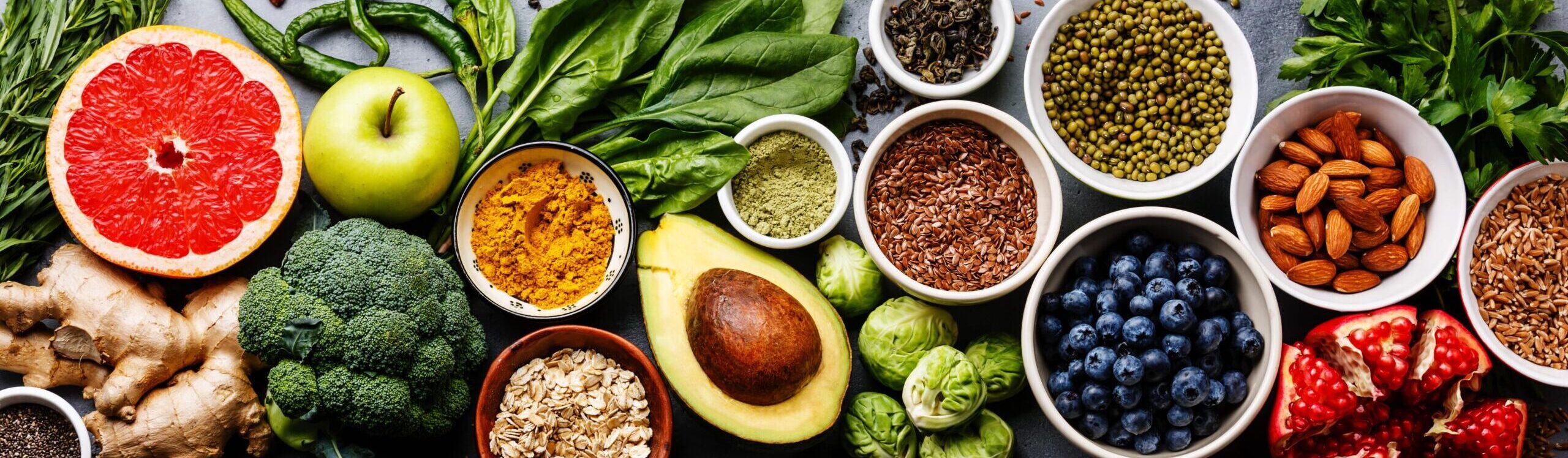

Micronutrients, including essential vitamins and minerals, are crucial for maintaining health and supporting the body’s various functions. Different life stages and specific conditions present unique nutritional needs that must be met to ensure optimal growth, development, and overall well-being. From the rapid growth phases of children and adolescents to the specialized needs of pregnant and lactating women, and from the unique challenges faced by seniors to the increased demands of athletes and those with specific health conditions, understanding micronutrient requirements is vital. This article explores the importance of key micronutrients for various populations, highlighting the critical role they play in promoting health, preventing deficiencies, and enhancing quality of life. By tailoring nutrition to meet these specific needs, we can support health at every stage of life.
Children and Adolescents
Proper nutrition plays a crucial role in the growth and development of children and adolescents. During this critical period, their bodies are rapidly changing, and they have increased nutritional needs to support their physical and cognitive development. Micronutrients, such as vitamins and minerals, are particularly important for their overall health and well-being.
Iron is one of the essential micronutrients for children and adolescents. It is vital for the production of hemoglobin, which carries oxygen to all cells in the body. Iron deficiency can lead to anemia, fatigue, and impaired cognitive function. Good dietary sources of iron include lean meats, poultry, fish, beans, and fortified cereals.
Calcium is another crucial micronutrient for growing children and adolescents as it is essential for building strong bones and teeth. Dairy products like milk, yogurt, and cheese are excellent sources of calcium. Dark leafy greens, tofu, and fortified plant-based milk alternatives are also good options for those with lactose intolerance or following a vegan diet.
Mujeres embarazadas y lactantes
Pregnant and lactating women have increased nutrient requirements due to the demands of their growing fetus or breastfeeding infant. Micronutrients play a vital role in supporting the health of both the mother and the baby during these periods.
Folic acid is essential for pregnant women as it helps prevent neural tube defects in the developing fetus. Good sources of folic acid include leafy greens, lentils, citrus fruits, and fortified grains.
Iron is also crucial during pregnancy to support the increased blood volume and prevent iron deficiency anemia. Pregnant women should include iron-rich foods like lean meats, poultry, fish, legumes, and fortified cereals in their diet.
Omega-3 fatty acids are important for the development of the baby’s brain and eyes. Pregnant and lactating women can obtain omega-3s from fatty fish like salmon, mackerel, and trout, as well as walnuts, chia seeds, and flaxseeds.
Seniors
As we age, our bodies undergo various physiological changes that may impact nutrient absorption and utilization. Seniors often have different nutritional needs than younger adults, making it crucial for them to focus on consuming adequate amounts of essential micronutrients.
Calcium is essential for maintaining strong bones and preventing osteoporosis, a condition common in seniors. Dairy products, leafy greens, almonds, and fortified foods can help meet calcium needs.
Vitamin D is another micronutrient vital for seniors as it aids in calcium absorption and bone health. Getting sufficient sun exposure, consuming fatty fish like salmon and mackerel, and taking vitamin D supplements if necessary can help ensure adequate vitamin D levels.
B vitamins, particularly vitamin B12, are important for energy production, nerve function, and blood cell formation. Seniors, especially those following a vegetarian or vegan diet, should consider fortified cereals, nutritional yeast, and B12 supplements to meet their needs.
Athletes
Athletes have increased nutrient requirements to support their performance, recovery, and overall health. In addition to macronutrients, such as carbohydrates, proteins, and fats, micronutrients play a vital role in their athletic endeavors.
Iron is crucial for athletes, as it is involved in oxygen transport and energy production. Lean meats, poultry, fish, legumes, and leafy greens are excellent sources of iron for athletes.
Calcium and vitamin D are important for bone health and muscle function. Dairy products, fortified plant-based milk alternatives, and exposure to sunlight can help athletes meet their calcium and vitamin D needs.
Antioxidant vitamins, such as vitamins C and E, support the immune system and help reduce exercise-induced oxidative stress. Citrus fruits, berries, spinach, nuts, and seeds are rich in antioxidants and can be beneficial for athletes.
People with Certain Health Conditions
Certain health conditions may impact the body’s ability to absorb, utilize, or metabolize certain micronutrients. It is important for individuals with these conditions to be aware of their specific nutritional needs and make appropriate dietary choices.
For example, individuals with celiac disease may have difficulty absorbing nutrients, particularly B vitamins and iron, from gluten-containing grains. They should opt for gluten-free alternatives and ensure adequate intake of these essential micronutrients from other sources.
People with diabetes need to be mindful of their carbohydrate intake and focus on consuming fiber-rich whole grains, lean proteins, healthy fats, and a variety of fruits and vegetables to meet their micronutrient needs.
Individuals with kidney disease may need to limit their intake of certain minerals, such as phosphorus and potassium. They should work closely with a registered dietitian or healthcare provider to develop a personalized meal plan that meets their micronutrient needs while managing their condition.
Micronutrients play a vital role in the health and well-being of different populations, including children and adolescents, pregnant and lactating women, seniors, athletes, and individuals with certain health conditions. Understanding and meeting the specific nutritional needs of each population can contribute to optimal health outcomes and overall well-being. It is always advisable to consult with a healthcare professional or registered dietitian for personalized guidance on meeting micronutrient requirements based on individual circumstances.