

Micronutrients are essential components of a healthy diet, playing a vital role in keeping us healthy and functioning at our best. While we only need them in small amounts, their impact on our bodies is huge. They are responsible for growth, development, and making sure our bodies work properly.
What Are Micronutrients and Why Do We Need Them?
Micronutrients are vitamins and minerals that our bodies need to stay healthy. Vitamins are important for many bodily functions like growth, immunity, and metabolism. There are two types of vitamins: fat-soluble vitamins (A, D, E, and K) and water-soluble vitamins (B-complex vitamins and vitamin C).
Minerals, on the other hand, are inorganic elements that help our bodies function properly. They help balance electrolytes, strengthen our bones, regulate metabolism, and perform many other important tasks. Some examples of essential minerals are calcium, iron, magnesium, zinc, and potassium.
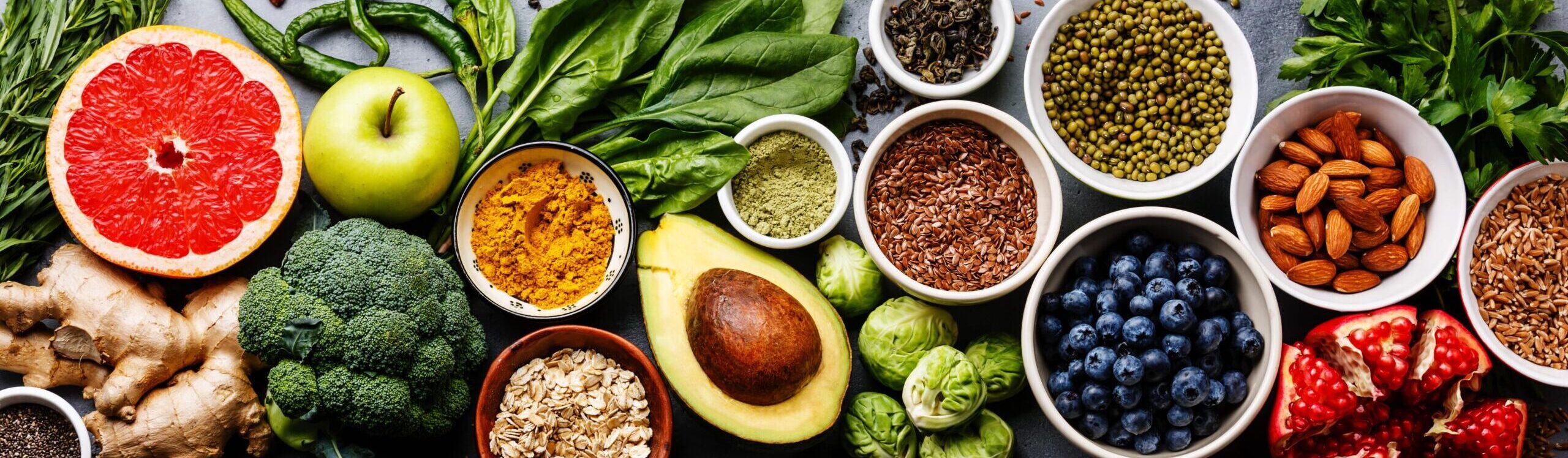
To make sure you’re getting enough micronutrients, try to include a variety of fruits, vegetables, whole grains, legumes, lean proteins, and healthy fats in your daily meals. Each vitamin and mineral has a specific job in our bodies, and even a small deficiency can cause health problems. Eating a balanced diet ensures you’re giving your body the micronutrients it needs to stay healthy.
Micronutrients vs. Macronutrients: What’s the Difference?
When it comes to nutrition, micronutrients and macronutrients are both important for our health, but they serve different purposes.
Macronutrients, which include carbohydrates, proteins, and fats, are the main sources of calories and energy for our bodies. We need them in larger quantities to provide the building blocks for growth, repair, and maintenance of our tissues and organs.
Micronutrients, on the other hand, are needed in smaller quantities, but they are just as important. While they don’t provide direct energy, they play a crucial role in helping our bodies use the energy from macronutrients and absorb other nutrients. They act as helpers for many important processes like supporting our immune system, cell communication, and protecting against damage.
To achieve and maintain good health, it’s important to have a balanced diet that includes both macronutrients and micronutrients. Eating a variety of fruits, vegetables, whole grains, lean proteins, and healthy fats ensures you’re getting enough micronutrients. By understanding the significance of micronutrients and incorporating them into our diets, we can support proper growth, development, and overall well-being.